You have just been in a car accident. What do you do next? Do you call the police? What if the other driver does not have insurance? Do you take pictures? Our best advice, keep calm and follow these few simple steps:
Address Passengers and Assess Damage After an Auto Accident
Severe injuries can occur suddenly after an auto accident, so your first priority is to check on yourself and your passengers. If anyone is seriously hurt, call 911 immediately and do not move the injured person unless they are in immediate danger. Once urgent medical needs are addressed, focus on preventing further harm. If your vehicle is drivable, carefully move it out of traffic to a safe location and switch on your hazard lights to alert other drivers. Taking these steps helps protect everyone at the scene and reduces the risk of additional accidents or injuries.
Call the Police
It’s essential to contact law enforcement after an auto accident, especially when injuries or significant property damage are involved. Police officers help secure the scene, document what happened, and gather statements from everyone involved. Their presence also ensures that important details such as witness information, vehicle positions, and visible damages are properly recorded. Be sure to request a copy of the police report, as this official document is often crucial for insurance claims and any legal action that may follow. Having law enforcement involved protects your rights and provides verified documentation of the incident.
Document the Scene and Take Photos After an Auto Accident
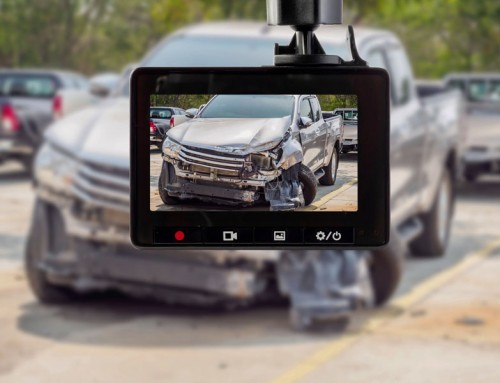
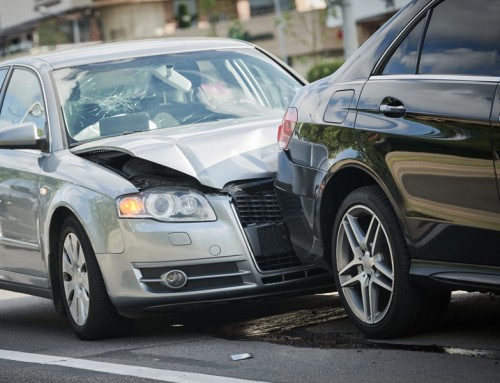
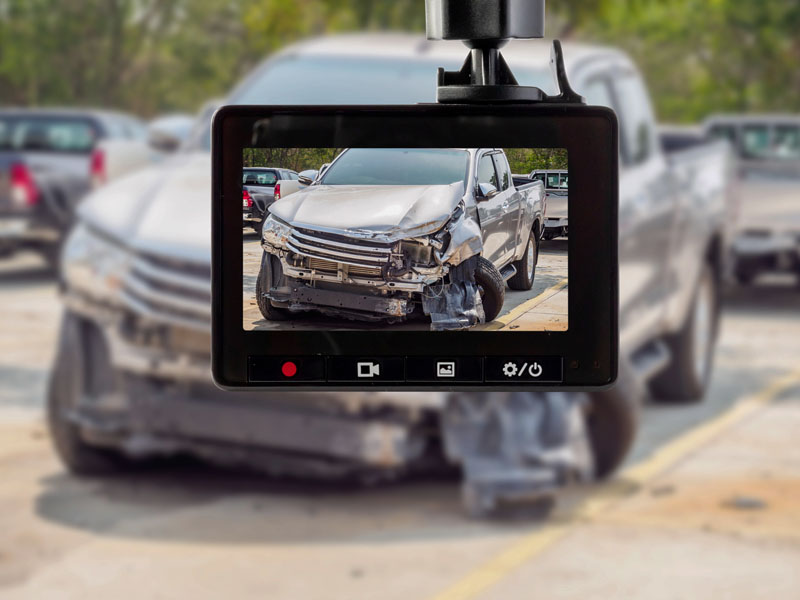
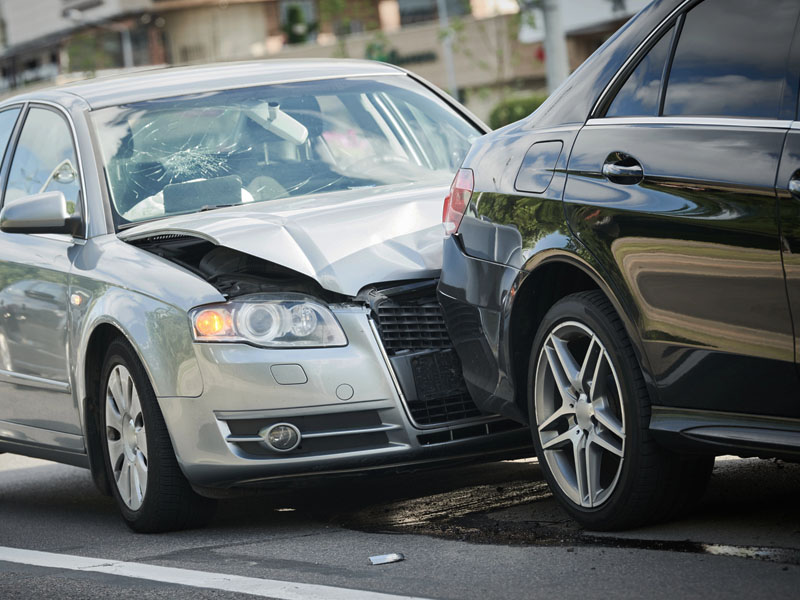
Properly documenting the scene after an auto accident is one of the most important steps you can take to protect your rights. Start by noting the exact time of day, weather conditions, street names, and the specific location of the crash. Take clear photos of all vehicle damage from multiple angles, including close-ups and wide shots.
Also photograph the roadway in both directions, any skid marks, broken glass, or debris, as well as traffic signs, signals, and the surrounding area. The more photos you take, the better. These images help your insurance company assess the full extent of the damage and determine fair compensation for repairs. They can also serve as valuable evidence if the accident results in a dispute or leads to court proceedings.
Exchange Information after an auto accident
While waiting for law enforcement after an auto accident, gather as much information as possible from the other driver and any witnesses. Ask for names, phone numbers, and addresses, as well as the other driver’s insurance company and policy number. Be sure to record the vehicle’s license plate number, VIN, and the make and model of the car. If the other vehicle is a commercial or work truck, note the company name and contact details as well. Collecting complete and accurate information at the scene can make insurance claims smoother and provide crucial details if a legal issue arises later.
Seek Medical Treatment
It is crucial to seek medical treatment after an auto accident, even if you feel fine at the scene. Many injuries, especially those involving the neck, back, or spine may not appear until days or even weeks later. Seeing a doctor right away helps ensure your injuries are properly evaluated, treated, and documented, which is important if symptoms develop later. Medical documentation also protects your right to obtain insurance coverage, as most states require accident victims to be examined within a specific timeframe. In Florida, you must seek medical treatment within 14 days for your injuries to be eligible under the other driver’s auto insurance or your Personal Injury Protection, (PIP) benefits.
If you are overwhelmed or unsure of what you should do after an auto accident, contact our personal injury team at McGRATH GIBSON LAW by calling (904) 358-3300 for a free consultation. And if you ask us to represent you, there are no out-of-pocket costs. We only get paid if you get paid.