WE HAVE RECOVERED MILLIONS
OF DOLLARS FOR OUR CLIENTS
$3,400,000
Traffic Fatality
$2,150,000
Traffic Accident
$1,300,000
Motorcycle Accident
WE HAVE RECOVERED MILLIONS OF DOLLARS FOR OUR CLIENTS
$3,400,000 |
$2,150,000 |
$1,300,000 |
Traffic Accident |
Traffic Fatality |
Motorcycle Fatality |
WE HAVE RECOVERED MILLIONS OF DOLLARS FOR OUR CLIENTS
$3,400,000 |
$2,150,000 |
$1,300,000 |
Traffic Accident |
Traffic Fatality |
Motorcycle Accident |
JACKSONVILLE REAR-END COLLISION ATTORNEYS
Rear-end collisions are among the most common motor vehicle accidents I handle, and they are often assumed to be simple cases. One vehicle strikes another from behind, so it may seem obvious who was responsible. In practice, determining liability is only one part of a personal injury claim. Insurance companies may also dispute whether the collision caused the injuries being claimed, the extent of those injuries, the medical treatment required, and the amount of compensation that should be paid.
Our Jacksonville rear-end collision attorneys investigate how the accident occurred using photographs, vehicle damage, witness statements, police reports, video, and other available evidence. Although Florida law recognizes a rebuttable presumption involving the rear driver in certain rear-end collisions, I do not assume that this resolves every question about fault. I also pay close attention to the medical evidence because symptoms may not always be fully apparent immediately after an accident, and preexisting conditions can sometimes complicate questions about medical causation.
Throughout this page, I will explain how our Jacksonville rear-end collision attorneys evaluate these accidents, how Florida law addresses fault, the evidence I consider important, common insurance disputes, and how injuries and damages are documented. My goal is to help you understand why even a seemingly straightforward rear-end collision can require careful investigation before important decisions are made about a personal injury claim.
Rapid Response Contact Form
Free Consultations | NO Upfront Fees
JACKSONVILLE REAR-END COLLISION ATTORNEYS
Rear-end collisions are among the most common motor vehicle accidents I handle, and they are often assumed to be simple cases. One vehicle strikes another from behind, so it may seem obvious who was responsible. In practice, determining liability is only one part of a personal injury claim. Insurance companies may also dispute whether the collision caused the injuries being claimed, the extent of those injuries, the medical treatment required, and the amount of compensation that should be paid.
Our Jacksonville rear-end collision attorneys investigate how the accident occurred using photographs, vehicle damage, witness statements, police reports, video, and other available evidence. Although Florida law recognizes a rebuttable presumption involving the rear driver in certain rear-end collisions, I do not assume that this resolves every question about fault. I also pay close attention to the medical evidence because symptoms may not always be fully apparent immediately after an accident, and preexisting conditions can sometimes complicate questions about medical causation.
Throughout this page, I will explain how our Jacksonville rear-end collision attorneys evaluate these accidents, how Florida law addresses fault, the evidence I consider important, common insurance disputes, and how injuries and damages are documented. My goal is to help you understand why even a seemingly straightforward rear-end collision can require careful investigation before important decisions are made about a personal injury claim.
Rapid Response Contact Form
Free Consultations | NO Upfront Fees
JACKSONVILLE REAR-END COLLISION ATTORNEYS
Rear-end collisions are among the most common motor vehicle accidents I handle, and they are often assumed to be simple cases. One vehicle strikes another from behind, so it may seem obvious who was responsible. In practice, determining liability is only one part of a personal injury claim. Insurance companies may also dispute whether the collision caused the injuries being claimed, the extent of those injuries, the medical treatment required, and the amount of compensation that should be paid.
Our Jacksonville rear-end collision attorneys investigate how the accident occurred using photographs, vehicle damage, witness statements, police reports, video, and other available evidence. Although Florida law recognizes a rebuttable presumption involving the rear driver in certain rear-end collisions, I do not assume that this resolves every question about fault. I also pay close attention to the medical evidence because symptoms may not always be fully apparent immediately after an accident, and preexisting conditions can sometimes complicate questions about medical causation.
Throughout this page, I will explain how our Jacksonville rear-end collision attorneys evaluate these accidents, how Florida law addresses fault, the evidence I consider important, common insurance disputes, and how injuries and damages are documented. My goal is to help you understand why even a seemingly straightforward rear-end collision can require careful investigation before important decisions are made about a personal injury claim.
Rapid Response Contact Form
Free Consultations | NO Upfront Fees
WHAT OUR CLIENTS ARE SAYING





WHAT OUR CLIENTS ARE SAYING
Protecting Your Rights.
- Why Rear-End Collision Claims Can Be More Complicated Than They Appear
- Is the Rear Driver Always at Fault in Florida?
- When the Front Driver May Share Responsibility
- Chain-Reaction Rear-End Collisions
- How I Determine What Actually Happened
- Why Vehicle Damage Doesn’t Always Tell the Whole Story
- Common Injuries I See After Rear-End Collisions
- Why Some Rear-End Accident Symptoms Appear Later
- What I Recommend Doing After a Rear-End Collision
- Florida’s 14-Day PIP Requirement
- What If You Had a Neck or Back Problem Before the Accident?
- How Insurance Companies Challenge Rear-End Collision Claims
- Comparative Fault in a Florida Rear-End Collision
- Compensation After a Rear-End Collision
- How I Handle Rear-End Collision Claims
- Questions I Am Frequently Asked About Rear-End Accidents
- Learn More About Motor Vehicle Accident Claims
- Meet Michael D. McGrath
- Let’s Discuss Your Case

Protecting Your Rights.
- Why Rear-End Collision Claims Can Be More Complicated Than They Appear
- Is the Rear Driver Always at Fault in Florida?
- When the Front Driver May Share Responsibility
- Chain-Reaction Rear-End Collisions
- How I Determine What Actually Happened
- Why Vehicle Damage Doesn’t Always Tell the Whole Story
- Common Injuries I See After Rear-End Collisions
- Why Some Rear-End Accident Symptoms Appear Later
- What I Recommend Doing After a Rear-End Collision
- Florida’s 14-Day PIP Requirement
- What If You Had a Neck or Back Problem Before the Accident?
- How Insurance Companies Challenge Rear-End Collision Claims
- Comparative Fault in a Florida Rear-End Collision
- Compensation After a Rear-End Collision
- How I Handle Rear-End Collision Claims
- Questions I Am Frequently Asked About Rear-End Accidents
- Learn More About Motor Vehicle Accident Claims
- Meet Michael D. McGrath
- Let’s Discuss Your Case
Protecting Your Rights.
- Why Rear-End Collision Claims Can Be More Complicated Than They Appear
- Is the Rear Driver Always at Fault in Florida?
- When the Front Driver May Share Responsibility
- Chain-Reaction Rear-End Collisions
- How I Determine What Actually Happened
- Why Vehicle Damage Doesn’t Always Tell the Whole Story
- Common Injuries I See After Rear-End Collisions
- Why Some Rear-End Accident Symptoms Appear Later
- What I Recommend Doing After a Rear-End Collision
- Florida’s 14-Day PIP Requirement
- What If You Had a Neck or Back Problem Before the Accident?
- How Insurance Companies Challenge Rear-End Collision Claims
- Comparative Fault in a Florida Rear-End Collision
- Compensation After a Rear-End Collision
- How I Handle Rear-End Collision Claims
- Questions I Am Frequently Asked About Rear-End Accidents
- Learn More About Motor Vehicle Accident Claims
- Meet Michael D. McGrath
- Let’s Discuss Your Case
Why Rear-End Collision Claims Can Be More Complicated Than They Appear
A rear-end accident can initially appear to present a straightforward question of fault, but a personal injury claim involves much more than identifying which vehicle struck the other. I have handled cases where the circumstances surrounding the collision, the sequence of impacts, or the actions of multiple drivers created legitimate questions about responsibility. This is particularly true in chain-reaction accidents where determining which impact occurred first can be important.
Even when liability is relatively clear, other parts of the claim may be disputed. Insurance companies may question whether a person’s neck or back condition was actually caused by the collision, whether an injury existed beforehand, why symptoms were not immediately reported, or whether the medical treatment was related and necessary. Our Jacksonville rear-end collision attorneys evaluate these issues by comparing the accident evidence with the medical documentation rather than treating liability and injury causation as the same question.
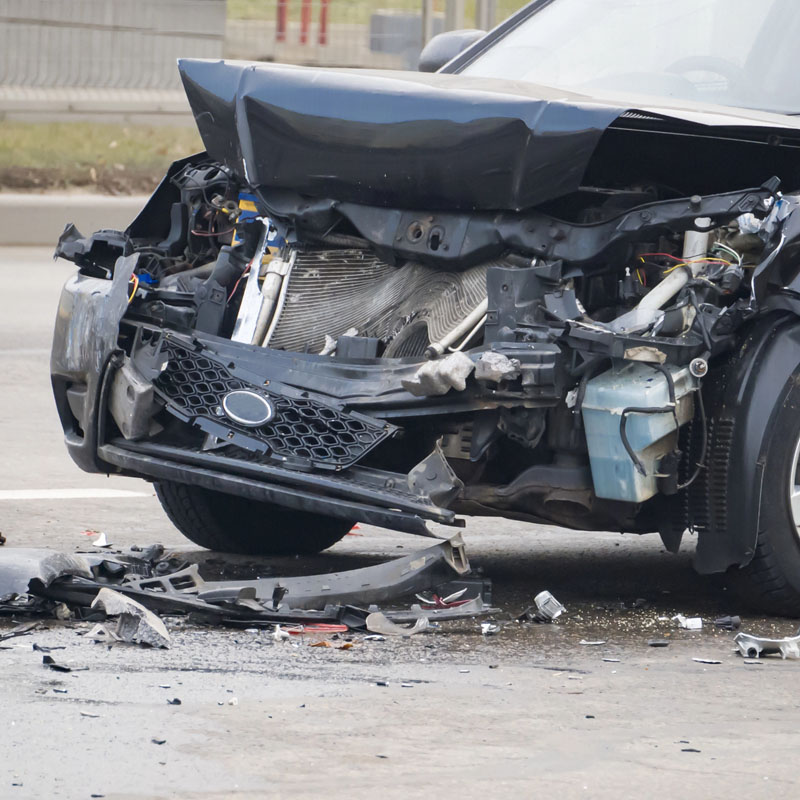
The amount of visible vehicle damage can also become a point of disagreement. A damaged bumper does not provide a medical diagnosis, just as significant vehicle damage does not establish the extent of someone’s injuries. I rely on qualified medical providers to evaluate injuries and use the available evidence to determine how well the medical findings can be connected to the accident. Addressing these issues early can help us identify potential weaknesses and develop a claim based on evidence rather than assumptions.
Why Rear-End Collision Claims Can Be More Complicated Than They Appear
A rear-end accident can initially appear to present a straightforward question of fault, but a personal injury claim involves much more than identifying which vehicle struck the other. I have handled cases where the circumstances surrounding the collision, the sequence of impacts, or the actions of multiple drivers created legitimate questions about responsibility. This is particularly true in chain-reaction accidents where determining which impact occurred first can be important.
Even when liability is relatively clear, other parts of the claim may be disputed. Insurance companies may question whether a person’s neck or back condition was actually caused by the collision, whether an injury existed beforehand, why symptoms were not immediately reported, or whether the medical treatment was related and necessary. Our Jacksonville rear-end collision attorneys evaluate these issues by comparing the accident evidence with the medical documentation rather than treating liability and injury causation as the same question.
The amount of visible vehicle damage can also become a point of disagreement. A damaged bumper does not provide a medical diagnosis, just as significant vehicle damage does not establish the extent of someone’s injuries. I rely on qualified medical providers to evaluate injuries and use the available evidence to determine how well the medical findings can be connected to the accident. Addressing these issues early can help us identify potential weaknesses and develop a claim based on evidence rather than assumptions.
Why Rear-End Collision Claims Can Be More Complicated Than They Appear
A rear-end accident can initially appear to present a straightforward question of fault, but a personal injury claim involves much more than identifying which vehicle struck the other. I have handled cases where the circumstances surrounding the collision, the sequence of impacts, or the actions of multiple drivers created legitimate questions about responsibility. This is particularly true in chain-reaction accidents where determining which impact occurred first can be important.
Even when liability is relatively clear, other parts of the claim may be disputed. Insurance companies may question whether a person’s neck or back condition was actually caused by the collision, whether an injury existed beforehand, why symptoms were not immediately reported, or whether the medical treatment was related and necessary. Our Jacksonville rear-end collision attorneys evaluate these issues by comparing the accident evidence with the medical documentation rather than treating liability and injury causation as the same question.
The amount of visible vehicle damage can also become a point of disagreement. A damaged bumper does not provide a medical diagnosis, just as significant vehicle damage does not establish the extent of someone’s injuries. I rely on qualified medical providers to evaluate injuries and use the available evidence to determine how well the medical findings can be connected to the accident. Addressing these issues early can help us identify potential weaknesses and develop a claim based on evidence rather than assumptions.

Is the Rear Driver Always at Fault in Florida?
Florida law has long recognized a rebuttable presumption of negligence against the rear driver in certain rear-end collisions. The reasoning is practical: drivers are generally expected to maintain sufficient distance and control to avoid striking a vehicle ahead of them. However, I think it is important for clients to understand that this is a rebuttable presumption, not an absolute rule that automatically makes the rear driver responsible for every accident.
The circumstances leading to the collision still matter. Evidence may show that the lead vehicle made an unexpected movement, another vehicle contributed to the accident, or a chain reaction pushed one vehicle into another. When facts like these are disputed, our Jacksonville rear-end collision attorneys examine the entire sequence of events rather than relying solely on the location of the vehicle damage.
The presumption can help establish negligence when the evidence supports it, but liability ultimately depends on the facts of the particular accident and Florida law. Photographs, witness statements, video, physical evidence, vehicle positions, and the drivers’ accounts can all become important. My objective is to determine what actually happened and develop the evidence necessary to establish each driver’s responsibility for the collision.
Is the Rear Driver Always at Fault in Florida?

Florida law has long recognized a rebuttable presumption of negligence against the rear driver in certain rear-end collisions. The reasoning is practical: drivers are generally expected to maintain sufficient distance and control to avoid striking a vehicle ahead of them. However, I think it is important for clients to understand that this is a rebuttable presumption, not an absolute rule that automatically makes the rear driver responsible for every accident.
The circumstances leading to the collision still matter. Evidence may show that the lead vehicle made an unexpected movement, another vehicle contributed to the accident, or a chain reaction pushed one vehicle into another. When facts like these are disputed, our Jacksonville rear-end collision attorneys examine the entire sequence of events rather than relying solely on the location of the vehicle damage.
The presumption can help establish negligence when the evidence supports it, but liability ultimately depends on the facts of the particular accident and Florida law. Photographs, witness statements, video, physical evidence, vehicle positions, and the drivers’ accounts can all become important. My objective is to determine what actually happened and develop the evidence necessary to establish each driver’s responsibility for the collision.
Is the Rear Driver Always at Fault in Florida?
Florida law has long recognized a rebuttable presumption of negligence against the rear driver in certain rear-end collisions. The reasoning is practical: drivers are generally expected to maintain sufficient distance and control to avoid striking a vehicle ahead of them. However, I think it is important for clients to understand that this is a rebuttable presumption, not an absolute rule that automatically makes the rear driver responsible for every accident.
The circumstances leading to the collision still matter. Evidence may show that the lead vehicle made an unexpected movement, another vehicle contributed to the accident, or a chain reaction pushed one vehicle into another. When facts like these are disputed, our Jacksonville rear-end collision attorneys examine the entire sequence of events rather than relying solely on the location of the vehicle damage.
The presumption can help establish negligence when the evidence supports it, but liability ultimately depends on the facts of the particular accident and Florida law. Photographs, witness statements, video, physical evidence, vehicle positions, and the drivers’ accounts can all become important. My objective is to determine what actually happened and develop the evidence necessary to establish each driver’s responsibility for the collision.
When the Front Driver May Share Responsibility
Although the rear driver is frequently responsible for a rear-end collision, there are circumstances in which the actions of the front driver may also become relevant. For example, evidence may show that the lead vehicle changed lanes immediately before impact, entered the roadway without sufficient clearance, or was involved in an unusual sequence of events that gave the following driver little opportunity to respond. These situations need to be evaluated individually rather than treated as automatic exceptions to the rear driver’s responsibility.
Florida’s comparative negligence law can also become important when the evidence indicates that more than one driver contributed to an accident. Our Jacksonville rear-end collision attorneys examine the conduct of everyone involved, including speed, following distance, braking, lane movements, traffic signals, visibility, and the sequence of events immediately before impact. Video and independent witness statements can be especially valuable when the drivers provide conflicting accounts.
I do not assume that an insurance company’s allegation that the front driver contributed to the accident is accurate. At the same time, I do not ignore evidence simply because my client was the person who was struck from behind. A careful liability analysis requires looking objectively at all available evidence and determining how Florida law applies to what actually occurred.
When the Front Driver May Share Responsibility
Although the rear driver is frequently responsible for a rear-end collision, there are circumstances in which the actions of the front driver may also become relevant. For example, evidence may show that the lead vehicle changed lanes immediately before impact, entered the roadway without sufficient clearance, or was involved in an unusual sequence of events that gave the following driver little opportunity to respond. These situations need to be evaluated individually rather than treated as automatic exceptions to the rear driver’s responsibility.
Florida’s comparative negligence law can also become important when the evidence indicates that more than one driver contributed to an accident. Our Jacksonville rear-end collision attorneys examine the conduct of everyone involved, including speed, following distance, braking, lane movements, traffic signals, visibility, and the sequence of events immediately before impact. Video and independent witness statements can be especially valuable when the drivers provide conflicting accounts.
I do not assume that an insurance company’s allegation that the front driver contributed to the accident is accurate. At the same time, I do not ignore evidence simply because my client was the person who was struck from behind. A careful liability analysis requires looking objectively at all available evidence and determining how Florida law applies to what actually occurred.
Chain-Reaction Rear-End Collisions
Chain-reaction accidents can make determining responsibility considerably more complicated than in a collision involving only two vehicles. When three or more vehicles are involved, I want to know which impact occurred first, whether one vehicle was pushed into another, and whether separate impacts occurred seconds apart. The fact that one vehicle ended up behind another does not necessarily explain how the entire collision developed.
Our Jacksonville rear-end collision attorneys examine physical damage, final vehicle positions, driver and witness statements, photographs, available video, and the police investigation to reconstruct the sequence of events. The location and severity of damage to the front and rear of each vehicle can sometimes provide useful information when compared with the accounts given by the people involved.
In more serious or disputed chain-reaction accidents, additional evidence may be necessary. Vehicle electronic data or an accident reconstruction specialist can sometimes help determine speed, braking, movement, and the order of impacts. Establishing this sequence is important because responsibility may rest primarily with one driver or may be divided among multiple drivers whose actions contributed to the collision.
Chain-Reaction Rear-End Collisions
Chain-reaction accidents can make determining responsibility considerably more complicated than in a collision involving only two vehicles. When three or more vehicles are involved, I want to know which impact occurred first, whether one vehicle was pushed into another, and whether separate impacts occurred seconds apart. The fact that one vehicle ended up behind another does not necessarily explain how the entire collision developed.
Our Jacksonville rear-end collision attorneys examine physical damage, final vehicle positions, driver and witness statements, photographs, available video, and the police investigation to reconstruct the sequence of events. The location and severity of damage to the front and rear of each vehicle can sometimes provide useful information when compared with the accounts given by the people involved.
In more serious or disputed chain-reaction accidents, additional evidence may be necessary. Vehicle electronic data or an accident reconstruction specialist can sometimes help determine speed, braking, movement, and the order of impacts. Establishing this sequence is important because responsibility may rest primarily with one driver or may be divided among multiple drivers whose actions contributed to the collision.
How I Determine What Actually Happened
When I investigate a rear-end collision, I start with the accounts of the people involved and then compare those accounts with the physical evidence. I review the crash report, photographs of the vehicles and roadway, points of impact, final vehicle positions, witness statements, and any available surveillance, traffic-camera, or dash-camera footage. These details can help establish what each driver was doing in the moments before the collision.
Our Jacksonville rear-end collision attorneys may also look beyond the initial accident investigation when liability is disputed or the collision caused serious injuries. Depending on the circumstances, vehicle electronic data can provide information about speed, braking, throttle position, or other vehicle activity immediately before impact. Cell phone records may also become relevant when there is evidence that distracted driving contributed to the accident and the records can be legally obtained.
Some accidents require technical analysis to make sense of conflicting evidence. In an appropriate case, I may consult an accident reconstruction specialist who can evaluate vehicle damage, roadway evidence, electronic data, photographs, and other information to help determine how the collision occurred.
I believe this evidence-based approach is particularly important when the drivers remember the accident differently or an insurance company disputes its insured’s responsibility. Rather than relying on assumptions about rear-end collisions, I want the available evidence to tell us what happened, how it happened, and which driver’s actions caused or contributed to the crash.
How I Determine What Actually Happened
When I investigate a rear-end collision, I start with the accounts of the people involved and then compare those accounts with the physical evidence. I review the crash report, photographs of the vehicles and roadway, points of impact, final vehicle positions, witness statements, and any available surveillance, traffic-camera, or dash-camera footage. These details can help establish what each driver was doing in the moments before the collision.
Our Jacksonville rear-end collision attorneys may also look beyond the initial accident investigation when liability is disputed or the collision caused serious injuries. Depending on the circumstances, vehicle electronic data can provide information about speed, braking, throttle position, or other vehicle activity immediately before impact. Cell phone records may also become relevant when there is evidence that distracted driving contributed to the accident and the records can be legally obtained.
Some accidents require technical analysis to make sense of conflicting evidence. In an appropriate case, I may consult an accident reconstruction specialist who can evaluate vehicle damage, roadway evidence, electronic data, photographs, and other information to help determine how the collision occurred.
I believe this evidence-based approach is particularly important when the drivers remember the accident differently or an insurance company disputes its insured’s responsibility. Rather than relying on assumptions about rear-end collisions, I want the available evidence to tell us what happened, how it happened, and which driver’s actions caused or contributed to the crash.
Why Vehicle Damage Doesn’t Always Tell the Whole Story
Photographs of the vehicles are important evidence after a rear-end collision, but I do not believe vehicle damage should be used by itself to determine whether someone was injured. Insurance companies sometimes point to limited bumper or body damage when questioning an injury claim. The appearance of the vehicles can provide useful information about the collision, but it does not provide a medical diagnosis.
The forces experienced by a vehicle and its occupants can depend on many factors, including the speed and angle of impact, differences in vehicle size and weight, seat position, and the occupant’s physical condition. Modern bumpers and other vehicle components are also designed to absorb or manage impact forces, so visible exterior damage does not necessarily tell us everything that occurred inside the passenger compartment.
For this reason, our Jacksonville rear-end collision attorneys evaluate vehicle photographs alongside medical records, diagnostic testing, the history of symptoms, and the findings of qualified medical professionals. I do not attempt to determine from a photograph whether an accident was capable of causing a particular injury. That is a medical and, in some cases, technical question that should be addressed with appropriate evidence.
At the same time, vehicle damage should not be ignored. Significant damage, intrusion into the passenger compartment, broken seats, deployed airbags, or other physical evidence can help establish the severity and mechanics of a collision. My approach is to consider the vehicle evidence as one part of the overall case rather than allowing a photograph of a bumper to determine the validity of an injury claim.
Why Vehicle Damage Doesn’t Always Tell the Whole Story
Photographs of the vehicles are important evidence after a rear-end collision, but I do not believe vehicle damage should be used by itself to determine whether someone was injured. Insurance companies sometimes point to limited bumper or body damage when questioning an injury claim. The appearance of the vehicles can provide useful information about the collision, but it does not provide a medical diagnosis.
The forces experienced by a vehicle and its occupants can depend on many factors, including the speed and angle of impact, differences in vehicle size and weight, seat position, and the occupant’s physical condition. Modern bumpers and other vehicle components are also designed to absorb or manage impact forces, so visible exterior damage does not necessarily tell us everything that occurred inside the passenger compartment.
For this reason, our Jacksonville rear-end collision attorneys evaluate vehicle photographs alongside medical records, diagnostic testing, the history of symptoms, and the findings of qualified medical professionals. I do not attempt to determine from a photograph whether an accident was capable of causing a particular injury. That is a medical and, in some cases, technical question that should be addressed with appropriate evidence.
At the same time, vehicle damage should not be ignored. Significant damage, intrusion into the passenger compartment, broken seats, deployed airbags, or other physical evidence can help establish the severity and mechanics of a collision. My approach is to consider the vehicle evidence as one part of the overall case rather than allowing a photograph of a bumper to determine the validity of an injury claim.
Common Injuries I See After Rear-End Collisions
The sudden forward-and-backward movement created by a rear impact can place stress on the neck, back, shoulders, and other parts of the body. In the rear-end collision cases I have handled, injuries have ranged from temporary muscle strains and other soft-tissue injuries to more significant conditions involving the cervical or lumbar spine. The type and severity of an injury depend on the circumstances of the collision and the individual involved.
Neck injuries are particularly common after rear-end accidents and may include what is commonly called whiplash. Some people also experience back pain, disc injuries, shoulder injuries, headaches, or symptoms associated with a concussion or other head injury. A collision can also aggravate an existing neck, back, or joint condition, even when that condition was present before the accident.
Our Jacksonville rear-end collision attorneys do not attempt to diagnose these injuries or assume that a particular symptom was caused by the crash. I rely on qualified medical professionals to evaluate the patient, determine an appropriate diagnosis and treatment plan, and address medical causation when necessary. Medical records and diagnostic findings then become important evidence when we evaluate how the accident affected the injured person’s health and daily life.
Common Injuries I See After Rear-End Collisions
The sudden forward-and-backward movement created by a rear impact can place stress on the neck, back, shoulders, and other parts of the body. In the rear-end collision cases I have handled, injuries have ranged from temporary muscle strains and other soft-tissue injuries to more significant conditions involving the cervical or lumbar spine. The type and severity of an injury depend on the circumstances of the collision and the individual involved.
Neck injuries are particularly common after rear-end accidents and may include what is commonly called whiplash. Some people also experience back pain, disc injuries, shoulder injuries, headaches, or symptoms associated with a concussion or other head injury. A collision can also aggravate an existing neck, back, or joint condition, even when that condition was present before the accident.
Our Jacksonville rear-end collision attorneys do not attempt to diagnose these injuries or assume that a particular symptom was caused by the crash. I rely on qualified medical professionals to evaluate the patient, determine an appropriate diagnosis and treatment plan, and address medical causation when necessary. Medical records and diagnostic findings then become important evidence when we evaluate how the accident affected the injured person’s health and daily life.
Why Some Rear-End Accident Symptoms Appear Later
Not everyone recognizes the full extent of an injury immediately after a rear-end collision. In the minutes and hours following an accident, a person may be focused on what happened, speaking with law enforcement, exchanging information, or dealing with a damaged vehicle. Neck stiffness, back pain, headaches, soreness, or other symptoms may become more noticeable later as the person resumes normal activities.
When symptoms develop or worsen after an accident, I recommend that the person describe them accurately to an appropriate medical professional rather than trying to determine the cause independently. Our Jacksonville rear-end collision attorneys rely on medical providers to diagnose injuries and determine whether symptoms are medically consistent with the collision. The timing of symptoms, examination findings, diagnostic testing, prior medical history, and progression of the condition can all become relevant.
Delayed symptoms can also become an issue in an insurance claim. An insurer may question whether an injury was caused by the collision when there is a significant gap between the accident and the first medical evaluation. That does not necessarily mean the injury is unrelated, but it makes accurate medical documentation particularly important. For both health and legal reasons, I generally advise against ignoring new or worsening symptoms after a rear-end accident.
Why Some Rear-End Accident Symptoms Appear Later
Not everyone recognizes the full extent of an injury immediately after a rear-end collision. In the minutes and hours following an accident, a person may be focused on what happened, speaking with law enforcement, exchanging information, or dealing with a damaged vehicle. Neck stiffness, back pain, headaches, soreness, or other symptoms may become more noticeable later as the person resumes normal activities.
When symptoms develop or worsen after an accident, I recommend that the person describe them accurately to an appropriate medical professional rather than trying to determine the cause independently. Our Jacksonville rear-end collision attorneys rely on medical providers to diagnose injuries and determine whether symptoms are medically consistent with the collision. The timing of symptoms, examination findings, diagnostic testing, prior medical history, and progression of the condition can all become relevant.
Delayed symptoms can also become an issue in an insurance claim. An insurer may question whether an injury was caused by the collision when there is a significant gap between the accident and the first medical evaluation. That does not necessarily mean the injury is unrelated, but it makes accurate medical documentation particularly important. For both health and legal reasons, I generally advise against ignoring new or worsening symptoms after a rear-end accident.
What I Recommend Doing After a Rear-End Collision
After a rear-end collision, your immediate priorities should be safety and appropriate medical care. If possible, move out of active traffic, contact law enforcement, and request emergency medical assistance when needed. Even when injuries do not initially appear serious, pay attention to symptoms that develop or worsen and seek an appropriate medical evaluation rather than trying to diagnose the problem yourself.
If you can safely do so, document the accident scene before the vehicles are moved or repaired. Photographs of vehicle positions, damage, the roadway, traffic signals, skid marks, debris, and surrounding conditions can later help establish how the collision occurred. I also recommend obtaining contact information from witnesses and exchanging driver’s license and insurance information with the other drivers.
After leaving the scene, preserve the records associated with the accident and your medical treatment. Our Jacksonville rear-end collision attorneys may use photographs, repair estimates, medical records, employment information, insurance documents, and other evidence when evaluating liability and damages. I also recommend being cautious about giving recorded statements or accepting an early settlement before you understand your injuries and the insurance coverage that may apply.
What I Recommend Doing After a Rear-End Collision
After a rear-end collision, your immediate priorities should be safety and appropriate medical care. If possible, move out of active traffic, contact law enforcement, and request emergency medical assistance when needed. Even when injuries do not initially appear serious, pay attention to symptoms that develop or worsen and seek an appropriate medical evaluation rather than trying to diagnose the problem yourself.
If you can safely do so, document the accident scene before the vehicles are moved or repaired. Photographs of vehicle positions, damage, the roadway, traffic signals, skid marks, debris, and surrounding conditions can later help establish how the collision occurred. I also recommend obtaining contact information from witnesses and exchanging driver’s license and insurance information with the other drivers.
After leaving the scene, preserve the records associated with the accident and your medical treatment. Our Jacksonville rear-end collision attorneys may use photographs, repair estimates, medical records, employment information, insurance documents, and other evidence when evaluating liability and damages. I also recommend being cautious about giving recorded statements or accepting an early settlement before you understand your injuries and the insurance coverage that may apply.
Florida’s 14-Day PIP Requirement
Florida’s Personal Injury Protection (PIP) law includes an important 14-day requirement following a motor vehicle accident. To qualify for PIP medical benefits, an injured person generally must receive initial services and care from an authorized healthcare provider within 14 days after the accident. This is one reason I recommend obtaining an appropriate medical evaluation promptly when you are experiencing symptoms rather than waiting to see whether they eventually disappear.
The 14-day rule is specifically related to eligibility for PIP benefits. Missing that deadline does not necessarily mean that you have lost every right to pursue a personal injury claim against the driver who caused the accident. Liability claims and PIP benefits involve different legal issues. However, delaying medical treatment can create additional difficulties because an insurance company may question whether later-reported injuries were actually caused by the collision.
Our Jacksonville rear-end collision attorneys review when medical treatment began, what symptoms were reported, the diagnosis and treatment provided, and how the condition progressed after the accident. I also examine the available PIP coverage and medical documentation so I can explain how Florida’s insurance requirements apply to the individual circumstances rather than assuming that every rear-end accident claim is affected in the same way.
Florida’s 14-Day PIP Requirement
Florida’s Personal Injury Protection (PIP) law includes an important 14-day requirement following a motor vehicle accident. To qualify for PIP medical benefits, an injured person generally must receive initial services and care from an authorized healthcare provider within 14 days after the accident. This is one reason I recommend obtaining an appropriate medical evaluation promptly when you are experiencing symptoms rather than waiting to see whether they eventually disappear.
The 14-day rule is specifically related to eligibility for PIP benefits. Missing that deadline does not necessarily mean that you have lost every right to pursue a personal injury claim against the driver who caused the accident. Liability claims and PIP benefits involve different legal issues. However, delaying medical treatment can create additional difficulties because an insurance company may question whether later-reported injuries were actually caused by the collision.
Our Jacksonville rear-end collision attorneys review when medical treatment began, what symptoms were reported, the diagnosis and treatment provided, and how the condition progressed after the accident. I also examine the available PIP coverage and medical documentation so I can explain how Florida’s insurance requirements apply to the individual circumstances rather than assuming that every rear-end accident claim is affected in the same way.
What If You Had a Neck or Back Problem Before the Accident?
Having a preexisting neck, back, or other medical condition does not automatically prevent you from bringing a claim when a rear-end collision aggravates that condition. In many cases I have handled, the important question is not simply whether a problem existed before the accident, but whether the collision caused a new injury or made an existing condition worse.
Prior medical records can become important when this issue is disputed. Our Jacksonville rear-end collision attorneys may compare the person’s symptoms, treatment, diagnostic studies, and physical limitations before the accident with their condition afterward. I also rely on qualified medical professionals to address whether the collision caused or aggravated an injury and what treatment is medically necessary.
I encourage clients to be completely accurate about previous injuries and medical treatment. Trying to conceal a prior neck or back problem can damage credibility and make an otherwise legitimate claim more difficult to prove. A documented history can sometimes help show the difference between the person’s condition before the collision and the additional symptoms, treatment, or limitations experienced afterward.
What If You Had a Neck or Back Problem Before the Accident?
Having a preexisting neck, back, or other medical condition does not automatically prevent you from bringing a claim when a rear-end collision aggravates that condition. In many cases I have handled, the important question is not simply whether a problem existed before the accident, but whether the collision caused a new injury or made an existing condition worse.
Prior medical records can become important when this issue is disputed. Our Jacksonville rear-end collision attorneys may compare the person’s symptoms, treatment, diagnostic studies, and physical limitations before the accident with their condition afterward. I also rely on qualified medical professionals to address whether the collision caused or aggravated an injury and what treatment is medically necessary.
I encourage clients to be completely accurate about previous injuries and medical treatment. Trying to conceal a prior neck or back problem can damage credibility and make an otherwise legitimate claim more difficult to prove. A documented history can sometimes help show the difference between the person’s condition before the collision and the additional symptoms, treatment, or limitations experienced afterward.
How Insurance Companies Challenge Rear-End Collision Claims
Even when their insured struck another vehicle from behind, an insurance company may dispute important parts of a personal injury claim. I frequently see questions raised about whether the accident actually caused the injuries being claimed, whether the medical treatment was necessary, and whether a preexisting condition accounts for some or all of the symptoms. Limited visible vehicle damage or a delay in seeking medical treatment may also become part of the insurer’s argument.
Our Jacksonville rear-end collision attorneys address these issues with evidence rather than simply relying on the fact that our client was rear-ended. Medical records, diagnostic testing, prior medical history, photographs, repair documentation, witness statements, and the circumstances of the collision can all become important. When causation is disputed, the opinions of treating physicians or other qualified medical professionals may be necessary to explain the relationship between the accident and the diagnosed injuries.
An insurer may also dispute liability, particularly when there are conflicting accounts of the collision or multiple vehicles are involved. Other disagreements can involve lost wages, future treatment, the permanence of an injury, or the value of noneconomic damages. I try to identify these potential disputes early so we can determine what documentation and evidence will be needed before presenting the claim for settlement.
I also advise clients not to exaggerate their symptoms or minimize their previous medical history. Credibility matters. A rear-end collision claim is stronger when the medical history, accident evidence, treatment records, and client’s description of how the injuries affected everyday life are consistent and can be supported by the available evidence.
How Insurance Companies Challenge Rear-End Collision Claims
Even when their insured struck another vehicle from behind, an insurance company may dispute important parts of a personal injury claim. I frequently see questions raised about whether the accident actually caused the injuries being claimed, whether the medical treatment was necessary, and whether a preexisting condition accounts for some or all of the symptoms. Limited visible vehicle damage or a delay in seeking medical treatment may also become part of the insurer’s argument.
Our Jacksonville rear-end collision attorneys address these issues with evidence rather than simply relying on the fact that our client was rear-ended. Medical records, diagnostic testing, prior medical history, photographs, repair documentation, witness statements, and the circumstances of the collision can all become important. When causation is disputed, the opinions of treating physicians or other qualified medical professionals may be necessary to explain the relationship between the accident and the diagnosed injuries.
An insurer may also dispute liability, particularly when there are conflicting accounts of the collision or multiple vehicles are involved. Other disagreements can involve lost wages, future treatment, the permanence of an injury, or the value of noneconomic damages. I try to identify these potential disputes early so we can determine what documentation and evidence will be needed before presenting the claim for settlement.
I also advise clients not to exaggerate their symptoms or minimize their previous medical history. Credibility matters. A rear-end collision claim is stronger when the medical history, accident evidence, treatment records, and client’s description of how the injuries affected everyday life are consistent and can be supported by the available evidence.
Comparative Fault in a Florida Rear-End Collision
Florida uses a modified comparative negligence system for most negligence claims. This means that more than one person can potentially share responsibility for an accident. If an injured person is found partially responsible, the amount of compensation recoverable can be reduced according to that person’s percentage of fault. Under current Florida law, a claimant who is found to be more than 50% at fault generally cannot recover damages from the other party.
Comparative fault can become important in a rear-end collision when the insurance company argues that the front driver’s actions contributed to the accident. Our Jacksonville rear-end collision attorneys examine the evidence rather than assuming either that the rear driver is completely responsible or that an allegation against the front driver is valid. Lane changes, braking, vehicle speed, following distance, visibility, traffic conditions, witness accounts, and available video can all affect that analysis.
For example, if an injured driver is determined to be 20% responsible for a collision and the other driver is 80% responsible, the injured driver’s recoverable damages would generally be reduced by 20%. This is one reason I carefully investigate liability even in rear-end accidents that initially appear straightforward. Establishing how the collision actually occurred can affect both whether compensation is recoverable and the amount that may ultimately be awarded.
Comparative Fault in a Florida Rear-End Collision
Florida uses a modified comparative negligence system for most negligence claims. This means that more than one person can potentially share responsibility for an accident. If an injured person is found partially responsible, the amount of compensation recoverable can be reduced according to that person’s percentage of fault. Under current Florida law, a claimant who is found to be more than 50% at fault generally cannot recover damages from the other party.
Comparative fault can become important in a rear-end collision when the insurance company argues that the front driver’s actions contributed to the accident. Our Jacksonville rear-end collision attorneys examine the evidence rather than assuming either that the rear driver is completely responsible or that an allegation against the front driver is valid. Lane changes, braking, vehicle speed, following distance, visibility, traffic conditions, witness accounts, and available video can all affect that analysis.
For example, if an injured driver is determined to be 20% responsible for a collision and the other driver is 80% responsible, the injured driver’s recoverable damages would generally be reduced by 20%. This is one reason I carefully investigate liability even in rear-end accidents that initially appear straightforward. Establishing how the collision actually occurred can affect both whether compensation is recoverable and the amount that may ultimately be awarded.
Compensation After a Rear-End Collision
The compensation available after a rear-end collision depends on the injuries, financial losses, insurance coverage, and circumstances of the individual case. I do not believe these claims should be valued from a formula or based primarily on the amount of vehicle damage. Our Jacksonville rear-end collision attorneys evaluate the evidence showing both the financial consequences of the accident and how the injuries have affected the person’s daily life.
Economic damages may include medical expenses, lost wages, and future medical treatment or diminished earning capacity when supported by appropriate evidence. Property damage and certain other accident-related financial losses may also be recoverable. In cases involving significant or continuing injuries, I look carefully at medical opinions concerning future treatment, physical limitations, and the person’s ability to continue working.
Florida law may also permit recovery of noneconomic damages, such as pain and suffering, mental anguish, inconvenience, and loss of enjoyment of life, when the applicable legal requirements are satisfied. These losses are inherently individual. Medical documentation, the duration and severity of symptoms, physical limitations, and the effect of an injury on work, family responsibilities, recreation, and everyday activities can all become relevant.
My objective is to document damages accurately and present a claim that can be supported by medical records, financial documentation, testimony, and other evidence. This evidence-based approach is particularly important when an insurance company disputes the extent of the injuries or argues that the compensation being sought is not justified by the circumstances of the collision.
Compensation After a Rear-End Collision
The compensation available after a rear-end collision depends on the injuries, financial losses, insurance coverage, and circumstances of the individual case. I do not believe these claims should be valued from a formula or based primarily on the amount of vehicle damage. Our Jacksonville rear-end collision attorneys evaluate the evidence showing both the financial consequences of the accident and how the injuries have affected the person’s daily life.
Economic damages may include medical expenses, lost wages, and future medical treatment or diminished earning capacity when supported by appropriate evidence. Property damage and certain other accident-related financial losses may also be recoverable. In cases involving significant or continuing injuries, I look carefully at medical opinions concerning future treatment, physical limitations, and the person’s ability to continue working.
Florida law may also permit recovery of noneconomic damages, such as pain and suffering, mental anguish, inconvenience, and loss of enjoyment of life, when the applicable legal requirements are satisfied. These losses are inherently individual. Medical documentation, the duration and severity of symptoms, physical limitations, and the effect of an injury on work, family responsibilities, recreation, and everyday activities can all become relevant.
My objective is to document damages accurately and present a claim that can be supported by medical records, financial documentation, testimony, and other evidence. This evidence-based approach is particularly important when an insurance company disputes the extent of the injuries or argues that the compensation being sought is not justified by the circumstances of the collision.
How I Handle Rear-End Collision Claims
When I first meet with someone injured in a rear-end collision, I want to understand more than where the vehicles were damaged. I ask how the accident occurred, what the person experienced immediately afterward, when symptoms developed, what medical treatment has been provided, and how the injuries have affected work and everyday activities. I also review the available insurance coverage and identify issues that could become disputed later.
Our Jacksonville rear-end collision attorneys then work to preserve and develop the evidence needed to support the claim. This may include crash reports, photographs, video, witness statements, vehicle repair records, medical documentation, employment records, and applicable insurance policies. When liability, medical causation, or the mechanics of the collision are disputed, I may also work with qualified medical professionals, accident reconstruction specialists, or other experts whose knowledge is relevant to the particular issue.
Before presenting a claim for settlement, I want to understand the nature of the injuries and have sufficient documentation to evaluate the damages. I also consider how the insurance company is likely to challenge the case, including arguments involving preexisting conditions, delayed treatment, limited vehicle damage, comparative fault, or the necessity of medical care.
My responsibility is to give the client a realistic assessment of the evidence and available legal options. If a reasonable settlement can be reached, I explain the advantages and consequences of resolving the claim. If the insurer disputes liability or will not offer compensation that I believe is supported by the evidence, I discuss whether litigation is appropriate and what the client should expect from that process.
How I Handle Rear-End Collision Claims
When I first meet with someone injured in a rear-end collision, I want to understand more than where the vehicles were damaged. I ask how the accident occurred, what the person experienced immediately afterward, when symptoms developed, what medical treatment has been provided, and how the injuries have affected work and everyday activities. I also review the available insurance coverage and identify issues that could become disputed later.
Our Jacksonville rear-end collision attorneys then work to preserve and develop the evidence needed to support the claim. This may include crash reports, photographs, video, witness statements, vehicle repair records, medical documentation, employment records, and applicable insurance policies. When liability, medical causation, or the mechanics of the collision are disputed, I may also work with qualified medical professionals, accident reconstruction specialists, or other experts whose knowledge is relevant to the particular issue.
Before presenting a claim for settlement, I want to understand the nature of the injuries and have sufficient documentation to evaluate the damages. I also consider how the insurance company is likely to challenge the case, including arguments involving preexisting conditions, delayed treatment, limited vehicle damage, comparative fault, or the necessity of medical care.
My responsibility is to give the client a realistic assessment of the evidence and available legal options. If a reasonable settlement can be reached, I explain the advantages and consequences of resolving the claim. If the insurer disputes liability or will not offer compensation that I believe is supported by the evidence, I discuss whether litigation is appropriate and what the client should expect from that process.
Questions I Am Frequently Asked About Rear-End Accidents
Is the driver who rear-ended me automatically responsible? Not necessarily. Florida law recognizes a rebuttable presumption of negligence involving the rear driver in certain circumstances, but the facts still matter. Evidence concerning lane changes, braking, multiple impacts, or the actions of other vehicles can affect how responsibility is determined.
What if my car has very little visible damage? Limited vehicle damage does not, by itself, determine whether you were injured. Our Jacksonville rear-end collision attorneys consider vehicle damage as one part of the evidence, while qualified medical professionals determine whether you suffered an injury and address its medical cause.
Can I still have a claim if my neck or back already hurt before the accident? Potentially. A collision can aggravate a preexisting medical condition or cause a new injury. Prior and subsequent medical records can help establish how your condition changed after the accident.
What happens if several vehicles were involved? Chain-reaction collisions often require a closer investigation of the sequence of impacts. Photographs, vehicle damage, witness accounts, video, crash reports, and sometimes technical evidence can help determine whether one driver’s actions initiated the collision or whether several drivers contributed.
How soon should I see a doctor after being rear-ended? If you are experiencing symptoms, I recommend obtaining an appropriate medical evaluation promptly. Florida’s PIP law also generally requires initial services and care from an authorized healthcare provider within 14 days of the accident to qualify for PIP medical benefits.
Should I accept an insurance company’s early settlement offer? I recommend understanding the extent of your injuries, the available insurance coverage, and the terms of the proposed settlement before signing a release. An early offer may arrive before you know whether additional treatment will be necessary, and a signed settlement generally ends your ability to seek additional compensation for the released claim.
Questions I Am Frequently Asked About Rear-End Accidents
Is the driver who rear-ended me automatically responsible? Not necessarily. Florida law recognizes a rebuttable presumption of negligence involving the rear driver in certain circumstances, but the facts still matter. Evidence concerning lane changes, braking, multiple impacts, or the actions of other vehicles can affect how responsibility is determined.
What if my car has very little visible damage? Limited vehicle damage does not, by itself, determine whether you were injured. Our Jacksonville rear-end collision attorneys consider vehicle damage as one part of the evidence, while qualified medical professionals determine whether you suffered an injury and address its medical cause.
Can I still have a claim if my neck or back already hurt before the accident? Potentially. A collision can aggravate a preexisting medical condition or cause a new injury. Prior and subsequent medical records can help establish how your condition changed after the accident.
What happens if several vehicles were involved? Chain-reaction collisions often require a closer investigation of the sequence of impacts. Photographs, vehicle damage, witness accounts, video, crash reports, and sometimes technical evidence can help determine whether one driver’s actions initiated the collision or whether several drivers contributed.
How soon should I see a doctor after being rear-ended? If you are experiencing symptoms, I recommend obtaining an appropriate medical evaluation promptly. Florida’s PIP law also generally requires initial services and care from an authorized healthcare provider within 14 days of the accident to qualify for PIP medical benefits.
Should I accept an insurance company’s early settlement offer? I recommend understanding the extent of your injuries, the available insurance coverage, and the terms of the proposed settlement before signing a release. An early offer may arrive before you know whether additional treatment will be necessary, and a signed settlement generally ends your ability to seek additional compensation for the released claim.
Learn More About Motor Vehicle Accident Claims
No two motor vehicle accidents are exactly alike, and the laws, insurance issues, and evidence involved can vary depending on the type of collision and the circumstances surrounding it. Throughout my years representing injured clients, I have learned that understanding these differences often helps people make better decisions after an accident. I created the following resources to provide more detailed information about many of the specific legal issues I encounter in my practice as a car accident lawyer in Jacksonville. Whether your accident involved a commercial truck, motorcycle, pedestrian, bicycle, or another type of motor vehicle collision, these articles are designed to help you better understand your legal rights and the factors that may affect your claim.
Visit Our Main Car Accident Representation Page
How We File Your Claims
Florida Car Accident Laws
Uninsured and Underinsured Drivers
Multi-Car Accidents
Head On Collisions
Fatal Car Accidents
Hit-and-Run Accidents
Ride-Share Accidents
Distracted Driver Accidents
Parking Lot Accidents
Victims of Drunk Drivers
Learn More About Motor Vehicle Accident Claims
No two motor vehicle accidents are exactly alike, and the laws, insurance issues, and evidence involved can vary depending on the type of collision and the circumstances surrounding it. Throughout my years representing injured clients, I have learned that understanding these differences often helps people make better decisions after an accident. I created the following resources to provide more detailed information about many of the specific legal issues I encounter in my practice as a car accident lawyer in Jacksonville. Whether your accident involved a commercial truck, motorcycle, pedestrian, bicycle, or another type of motor vehicle collision, these articles are designed to help you better understand your legal rights and the factors that may affect your claim.
Visit Our Main Car Accident Representation Page
How We File Your Claims
Florida Car Accident Laws
Uninsured and Underinsured Drivers
Multi-Car Accidents
Rear-End Collisions
Head On Collisions
Fatal Car Accidents
Hit-and-Run Accidents
Ride-Share Accidents
Distracted Driver Accidents
Parking Lot Accidents
Victims of Drunk Drivers
Meet Michael D. McGrath
Managing Partner
I co-founded McGRATH GIBSON LAW in 2007 with my law partner, Brad Gibson, after we combined our respective practices to better serve individuals and families throughout Northeast Florida. As the firm’s managing partner, I concentrate my practice on representing clients in serious personal injury, wrongful death, and negligence cases, including those involving motor vehicle accidents.
I am licensed to practice law in Florida, Georgia, and North Carolina and am a member of the state bar in each jurisdiction. Throughout my career, I have remained committed to providing clients with honest legal guidance, thorough case preparation, and personalized representation based on the unique facts of every case.
My professional credentials include an AV Preeminent® Peer Review Rating from Martindale-Hubbell® and a Superb rating from Avvo®. The AV Preeminent rating is based on confidential peer evaluations by members of the legal profession and reflects assessments of professional ethics and legal ability. According to Martindale-Hubbell, attorneys must generally have been admitted to practice for at least ten years before becoming eligible for this distinction.
Whether you are researching your legal options or deciding whether to hire a car accident lawyer in Jacksonville, I believe it is important to understand the qualifications and experience of the attorney who may represent you. My goal is to provide clear legal advice, answer your questions honestly, and help you make informed decisions about your case.

Meet Michael D. McGrath
Managing Partner
I co-founded McGRATH GIBSON LAW in 2007 with my law partner, Brad Gibson, after we combined our respective practices to better serve individuals and families throughout Northeast Florida. As the firm’s managing partner, I concentrate my practice on representing clients in serious personal injury, wrongful death, and negligence cases, including those involving motor vehicle accidents.
I am licensed to practice law in Florida, Georgia, and North Carolina and am a member of the state bar in each jurisdiction. Throughout my career, I have remained committed to providing clients with honest legal guidance, thorough case preparation, and personalized representation based on the unique facts of every case.
My professional credentials include an AV Preeminent® Peer Review Rating from Martindale-Hubbell® and a Superb rating from Avvo®. The AV Preeminent rating is based on confidential peer evaluations by members of the legal profession and reflects assessments of professional ethics and legal ability. According to Martindale-Hubbell, attorneys must generally have been admitted to practice for at least ten years before becoming eligible for this distinction.
Whether you are researching your legal options or deciding whether to hire a car accident lawyer in Jacksonville, I believe it is important to understand the qualifications and experience of the attorney who may represent you. My goal is to provide clear legal advice, answer your questions honestly, and help you make informed decisions about your case.
Meet Michael D. McGrath
Managing Partner
I co-founded McGRATH GIBSON LAW in 2007 with my law partner, Brad Gibson, after we combined our respective practices to better serve individuals and families throughout Northeast Florida. As the firm’s managing partner, I concentrate my practice on representing clients in serious personal injury, wrongful death, and negligence cases, including those involving motor vehicle accidents.
I am licensed to practice law in Florida, Georgia, and North Carolina and am a member of the state bar in each jurisdiction. Throughout my career, I have remained committed to providing clients with honest legal guidance, thorough case preparation, and personalized representation based on the unique facts of every case.
My professional credentials include an AV Preeminent® Peer Review Rating from Martindale-Hubbell® and a Superb rating from Avvo®. The AV Preeminent rating is based on confidential peer evaluations by members of the legal profession and reflects assessments of professional ethics and legal ability. According to Martindale-Hubbell, attorneys must generally have been admitted to practice for at least ten years before becoming eligible for this distinction.
Whether you are researching your legal options or deciding whether to hire a car accident lawyer in Jacksonville, I believe it is important to understand the qualifications and experience of the attorney who may represent you. My goal is to provide clear legal advice, answer your questions honestly, and help you make informed decisions about your case.

Contact Us
McGRATH GIBSON LAW
PERSONAL INJURY | FAMILY LAW | CRIMINAL DEFENSE
ATTORNEY DISCLAIMER
The Jacksonville personal injury attorneys, family law attorneys and criminal defense attorneys of McGRATH GIBSON LAW are licensed to practice in the states of Florida, Georgia, and North Carolina. Additionally, we represent the injured throughout the United States pro hoc vice, and with the help of local counsel. While we strive to personally handle all types of personal injury and wrongful death claims there are occasions where cases may be referred to another lawyer.
We also support our veterans by proudly providing representation for Military Veterans and the Men and Women who currently serve in our armed forces at the Mayport Naval Station, Naval Air Station of Jacksonville, Camp Blanding, United States Army, Army Reserve, United States Marines, Florida National Guard, Air National Guard, United States Coast Guard, Air Force, and Air Force Reserve. McGRATH GIBSON LAW family law attorneys offer representation in the areas of Family Law, Divorce, Alimony, Child Custody and Child Support throughout Florida. Representation for Military Divorce handled throughout the United States and U.S. Territories independently or with local counsel where required.
The hiring of a lawyer is an important decision that should not be based solely upon advertisements. This website is not intended to be an advertisement or solicitation. Material contained in the McGRATH GIBSON LAW website is for general information only and does not constitute legal advice or solicitation of legal services. Transmission of information from this website is not intended to create, and its receipt does not constitute an attorney-client relationship between the law firm of McGRATH GIBSON LAW and the reader. In the event that any information on this website does not conform fully with regulations in any jurisdiction, this law firm will not accept representation based on that information.
Information contained herein is the exclusive property of McGRATH GIBSON LAW and may not be copied, reproduced retransmitted or otherwise utilized for any purpose without the express written consent of McGRATH GIBSON LAW.
McGRATH GIBSON LAW
PERSONAL INJURY | FAMILY LAW | CRIMINAL DEFENSE
ATTORNEY DISCLAIMER
The Jacksonville personal injury attorneys, family law attorneys and criminal defense attorneys of McGRATH GIBSON are licensed to practice in the states of Florida, Georgia, and North Carolina. Additionally, we represent the injured throughout the United States pro hoc vice, and with the help of local counsel. While we strive to personally handle all types of personal injury and wrongful death claims there are occasions where cases may be referred to another lawyer.
We also support our veterans by proudly providing representation for Military Veterans and the Men and Women who currently serve in our armed forces at the Mayport Naval Station, Naval Air Station of Jacksonville, Camp Blanding, United States Army, Army Reserve, United States Marines, Florida National Guard, Air National Guard, United States Coast Guard, Air Force, and Air Force Reserve. McGRATH GIBSON family law attorneys offer representation in the areas of Family Law, Divorce, Alimony, Child Custody and Child Support throughout Florida. Representation for Military Divorce handled throughout the United States and U.S. Territories independently or with local counsel where required.
The hiring of a lawyer is an important decision that should not be based solely upon advertisements. This website is not intended to be an advertisement or solicitation. Material contained in the McGRATH GIBSON website is for general information only and does not constitute legal advice or solicitation of legal services. Transmission of information from this website is not intended to create, and its receipt does not constitute an attorney-client relationship between the law firm of McGRATH GIBSON and the reader. In the event that any information on this website does not conform fully with regulations in any jurisdiction, this law firm will not accept representation based on that information.
Information contained herein is the exclusive property of McGRATH GIBSON and may not be copied, reproduced retransmitted or otherwise utilized for any purpose without the express written consent of McGRATH GIBSON.
(904) 358-3300
Calls Answered 24 Hours a Day, Every Day.
Office: M-F 8:00 AM to 5:00 PM

Main Office:
6117 Atlantic Boulevard
Jacksonville, FL 32211
(904) 358-3300
Calls Answered 24 Hours a Day, Every Day.
Office Hours: M-F 8:00 AM to 5:00 PM
6117 Atlantic Boulevard
Jacksonville, FL 32211


