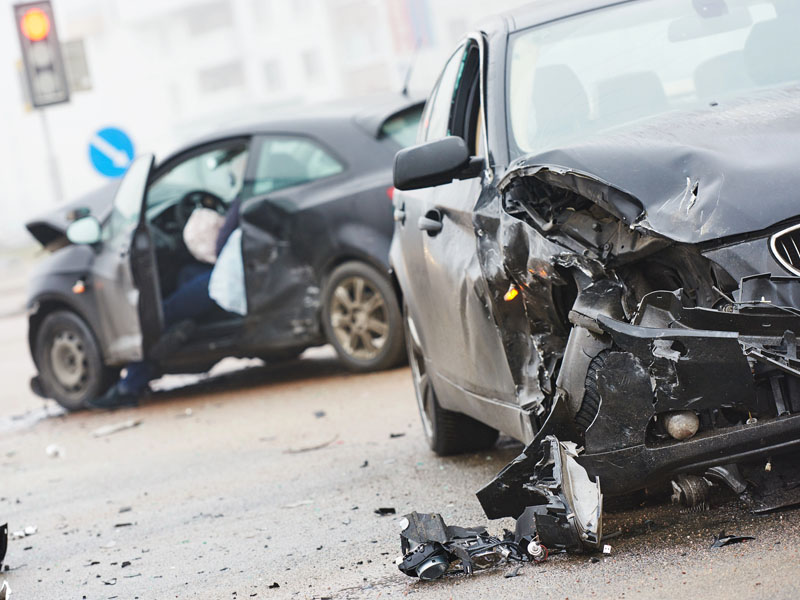
Understanding Property Damage Liability Insurance: What Drivers Need to Know
When you purchase auto insurance, you are not just protecting yourself, you are also protecting other drivers, businesses, and property owners on the road. One of the most important parts of your auto insurance policy is property damage liability coverage, a mandatory requirement in almost every state. Despite its importance, many drivers do not fully understand what this coverage includes, how much they need, or what happens when damages exceed their policy limits.
This blog post breaks down what property damage liability coverage is, why it matters, how it works, and how to choose the right limits so you are fully protected in the event of an accident.
What Is Property Damage Liability Coverage?
Property damage liability coverage is a type of insurance that pays for damage you cause to someone else’s property in an auto accident. If you are at fault in an accident, this coverage ensures that you can compensate the other party without paying out of pocket, up to the limits of your policy.
In most states, this coverage is required by law. Even in states where it is not mandatory, nearly all financial responsibility laws require that drivers carry enough insurance to cover damage they may cause on the road. Since vehicles, homes, fences, and other structures can be extremely expensive to repair or replace, property damage liability coverage plays a critical role in protecting both your finances and other motorists.
What Property Damage Liability Coverage Actually Pays For
Many drivers assume property damage liability only pays to repair the other driver’s vehicle. While that is the most common situation, this coverage applies to much more. In a typical accident, property damage liability coverage may pay for:
1. Repair or Replacement of Another Driver’s Vehicle
This is the most frequent use. Whether you dent a bumper or total a car, your insurance pays for the repairs or replacement cost after deducting depreciation.
2. Damage to Buildings and Structures
If you accidentally hit a building, garage, wall, or fence, the repair costs can be significant. Property damage liability coverage pays for repairs to:
- Homes
- Businesses
- Fences
- Sheds
- Mailboxes
- Utility structures
- Landscaping features
3. Damage to Public Property
If you strike public property, you are still responsible for the damages. This includes:
- Light poles
- Traffic signs
- Guardrails
- City-owned fixtures
Cities and counties often seek reimbursement for damages, and property damage liability coverage can cover these costs.
4. Rental Car Reimbursement for the Other Driver
If the other party needs a rental car while their vehicle is being repaired, liability coverage may pay for it.
5. Legal Defense Costs
If you are sued for causing property damage, property damage liability coverage may also cover attorney fees and court costs. This is one of the most underrated benefits because legal fees can skyrocket quickly.
In short, any damage you cause to another person’s property—whether private, commercial, or public—falls under this coverage type.
Why Property Damage Liability Coverage Matters
Imagine rear-ending a luxury vehicle valued at $90,000, or accidentally hitting the wall of a commercial building that costs $200,000 to repair. Without adequate property damage liability coverage, you could be personally responsible for everything that exceeds your policy limits.
This is why choosing the minimum required by the state is rarely enough. Property damage adds up fast, and claims involving newer vehicles, commercial property, or multiple vehicles can easily surpass low state required minimum coverage limits.
Minimum Coverage Requirements Are Often Too Low
Many states have extremely low minimum requirements for property damage liability coverage. For example:
- Florida: $10,000
- California: $5,000
- Pennsylvania: $5,000
- Arizona: $15,000
- Ohio: $25,000
These amounts may have been adequate decades ago, but vehicle repair and property repair costs have skyrocketed. Today:
- Many modern vehicles cost $30,000–$60,000
- Pickup trucks often exceed $50,000
- Electric vehicle repairs can be extremely costly
- Commercial property repairs can reach hundreds of thousands or more
If you cause more damage than your insurance covers, you are personally responsible for the rest. This may result in:
- Wage garnishment
- Personal assets being at risk
- Liens
- Court judgments
This is why insurance professionals recommend higher limits of property damage liability coverage, often starting at $100,000–$300,000 or even more if you have significant assets to protect.
How Property Damage Liability Coverage Works After an Accident
When you cause an accident that damages someone else’s property, your insurance company goes through several steps:
1. Investigation
The insurer will review:
- Police reports
- Photos of the damage
- Witness statements
- Any available video footage
2. Review of the Damaged Property
They may send an adjuster to inspect the:
-
-
- Other person’s vehicle
- Building or house
- Fence or wall
- Public property
-
3. Determination of Fault
If you are determined to be at fault, your insurer moves forward with payment.
4. Payment Issued
The insurer pays up to the limit of your property damage liability coverage.
If damages exceed your limits, the injured party can pursue the remaining balance from you directly.
What Happens When Damages Exceed Your Coverage?
If the total cost of the damage is greater than your insurance policy’s limit, you may be held financially responsible for the remaining amount.
Example:
-
-
- You rear-end a $70,000 vehicle.
- Your property damage liability coverage is only $25,000.
- Your insurer pays the first $25,000.
- You may personally owe the remaining $45,000.
-
In more serious accidents, damages can reach six figures, which is why low coverage limits can be extremely dangerous.
How Much Property Damage Liability Coverage Do You Need?
The right amount of coverage depends on your financial situation, assets, and risk tolerance. Below are common recommendations:
Minimum Recommended
-
-
- $50,000–$100,000
Suitable for drivers with limited assets to protect but wanting more than the bare minimum.
- $50,000–$100,000
-
Good Protection
-
-
- $100,000–$300,000
A strong option for most drivers, offering enough coverage for many types of accidents.
- $100,000–$300,000
-
High Protection / Best for Asset Owners
-
-
- $300,000–$500,000+ or a combined single limit policy
Ideal if you own a home, have savings, or want robust protection.
- $300,000–$500,000+ or a combined single limit policy
-
Because serious accidents can involve multiple vehicles or extensive property damage, larger limits provide peace of mind and financial protection.
Situations Where Property Damage Liability Coverage Is Critical
Multi-Vehicle Accidents
Damages multiply quickly when several vehicles are involved.
Building or Structure Collisions
Crashing into a home or business can lead to enormous repair costs.
Commercial Vehicle Collisions
Hitting a commercial truck or fleet vehicle often results in high repair bills.
Luxury Vehicle Crashes
High-end vehicles can cost $60,000–$150,000 or more.
In all these scenarios, having adequate property damage liability coverage can be the difference between being protected and facing financial devastation.
Property Damage Liability vs. Collision Coverage: Understanding the Difference
Many drivers confuse these two coverage types:
Property Damage Liability Coverage
-
-
- Pays for damage you cause to others
- Required in most states
- Does NOT cover your vehicle
-
Collision Coverage
-
-
- Pays for damage to your own vehicle
- Optional in many states
- Required by lenders for financed vehicles
-
You need both types of coverage to be fully protected.
Common Myths About Property Damage Liability Coverage
Myth #1: “I only need the state minimum.”
False. Damage often exceeds the minimum.
Myth #2: “If the accident wasn’t my fault, I don’t need this coverage.”
False. You need it in case you cause the accident.
Myth #3: “It’s too expensive to increase my limits.”
False. Increasing property damage liability coverage is usually very inexpensive compared to the risk of underinsuring yourself.
Do you want a FREE evaluation of your insurance coverage? Obtain a copy of your current policy and call McGRATH GIBSON LAW today for a free check-up on your insurance at 904- 358-3300.
Property damage liability coverage takes effect when your vehicle is involved in an accident and found at least partially at fault for causing damage to another person’s property.
Property damage liability coverage is the part of your insurance policy that pays for the costs associated with repairing or replacing another person’s property. This typically means damage to another individuals car, but it could apply to any other type of property you damage in an accident.
The claiming process begins when you file a property damage claim with the liable party’s insurance company. Unlike personal injury claims, which can take weeks or months, property damage claims are simpler to prove, and can be settled much faster.
How can deductibles affect your insurance claim? A deductible is the amount of the loss you must pay from your own pocket before your insurer will pay anything. For instance, assume that you backed into a building and your car repairs will cost $2,500. If your collision coverage has a $1,000 deductible, your insurer will only pay $1,500. You must pay the remaining $1,000 yourself. If your repairs will cost $700, your insurer will pay nothing because the repairs are less than the amount of your deductible.
A vehicle damage claim can normally be handled quite quickly. Your actions after the accident can help bring a prompt and fair settlement, and get you back in your car as soon as possible.
Your property damage liability limit is a dollar amount that represents the maximum amount of property damage your insurance policy will cover. Exactly what your liability insurance covers varies according to you policy and amount of coverage.
Do you want a FREE evaluation of your insurance coverage? Obtain a copy of your current policy and call McGRATH GIBSON today for a free check-up on your insurance at 904- 358-3300.